Master Scuba Diving with Expert Training: Your Guide to Diving Education Programs
Diving into the deep blue is one of the most thrilling experiences you can have. But to truly master scuba diving, expert guidance is essential. Whether you’re a beginner eager to explore coral reefs or a seasoned diver aiming to enhance your skills, diving education programs offer the perfect path. I’ve been on this journey myself, and I’m excited to share everything I’ve learned about how professional training can transform your underwater adventures.
Why Choose Diving Education Programs?
When I first started scuba diving, I quickly realized that the ocean is vast and unpredictable. Without proper training, it’s easy to feel overwhelmed or even unsafe. That’s where diving education programs come in. These programs are designed to build your confidence, teach you essential skills, and ensure you understand the science behind diving.
Here’s why diving education programs are a game-changer:
Safety First: You learn how to handle equipment, manage emergencies, and dive responsibly.
Skill Development: From buoyancy control to underwater navigation, every skill is taught step-by-step.
Environmental Awareness: Programs often include lessons on marine conservation, helping you protect the ecosystems you explore.
Certification: Completing a program earns you a certification recognized worldwide, opening doors to dive sites everywhere.
By enrolling in a structured program, you’re not just learning to dive; you’re becoming part of a global community of divers who respect and cherish the ocean.
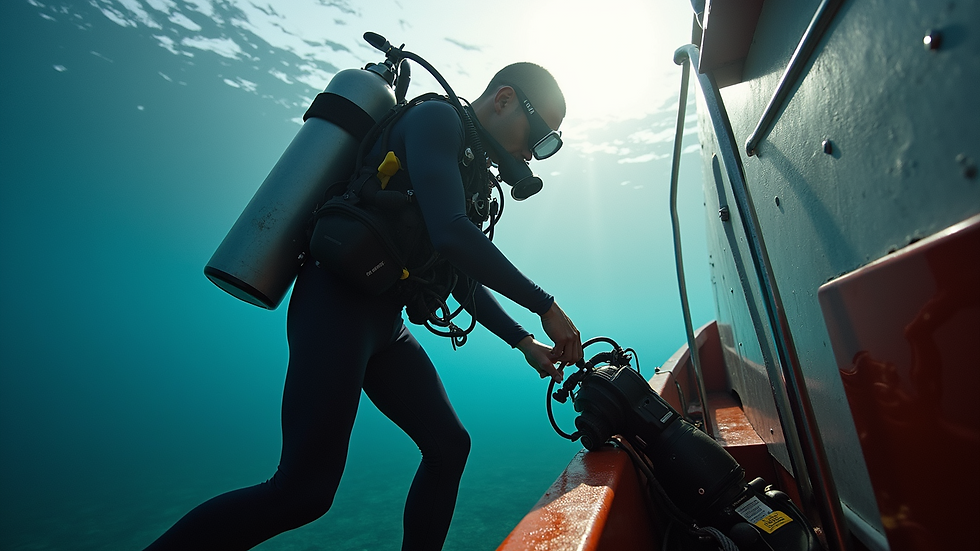
What to Expect from Professional Diving Education Programs
Diving education programs vary depending on your experience level and goals. Most start with foundational courses and progress to advanced specialties. Here’s a breakdown of what you can expect:
Beginner Courses
If you’re new to scuba diving, beginner courses like Open Water Diver are your starting point. These courses combine classroom learning, pool sessions, and open water dives. You’ll cover:
Basic diving theory and safety rules
How to use scuba gear properly
Breathing techniques underwater
Communication signals with your dive buddy
Planning and executing simple dives
Advanced and Specialty Courses
Once you’ve mastered the basics, you can explore advanced courses such as Advanced Open Water Diver, Rescue Diver, or specialties like underwater photography, wreck diving, or night diving. These courses deepen your knowledge and expand your skills, allowing you to tackle more challenging environments.
Professional Training
For those passionate about diving as a career or serious hobby, professional certifications like Divemaster or Instructor courses are available. These programs focus on leadership, teaching skills, and advanced rescue techniques.
Practical Tips for Choosing the Right Program
Check Accreditation: Look for programs certified by recognized organizations like PADI, SSI, or NAUI.
Consider Location: Training in diverse environments, such as tropical reefs or cold waters, can enhance your experience.
Ask About Class Size: Smaller groups mean more personalized attention.
Review Equipment Quality: Modern, well-maintained gear is crucial for safety and comfort.
If you want to explore options, I recommend checking out scuba diving training courses that fit your schedule and interests.
Essential Skills You’ll Master in Diving Education Programs
One of the most rewarding parts of diving education programs is the skill-building process. Here are some key skills you’ll develop:
Buoyancy Control
Mastering buoyancy is like learning to float effortlessly in a new world. It helps you conserve energy, protect marine life, and enjoy smooth dives. You’ll practice adjusting your breathing and using your buoyancy control device (BCD) to hover perfectly.
Underwater Navigation
Navigating underwater can be tricky without landmarks. You’ll learn to use a compass, natural references, and dive computers to find your way back safely.
Equipment Handling
From assembling your gear to troubleshooting underwater, handling equipment confidently is vital. Training ensures you know how to check your gear before every dive and manage any issues that arise.
Emergency Procedures
Safety drills are a core part of training. You’ll practice sharing air, controlled ascents, and rescue techniques. These skills prepare you to assist yourself and others in emergencies.
Environmental Stewardship
Understanding the impact of divers on marine ecosystems is crucial. Programs teach you how to minimize your footprint, respect wildlife, and contribute to conservation efforts.

How Expert Training Enhances Your Diving Experience
Expert training doesn’t just teach you how to dive; it transforms how you experience the underwater world. Here’s how:
Confidence: Knowing you have the skills and knowledge makes every dive more enjoyable and less stressful.
Access: Certified divers can explore more dive sites worldwide, including protected marine parks.
Community: Training connects you with instructors and fellow divers who share your passion.
Adventure: With advanced skills, you can try new types of dives like cave or deep diving.
Research Opportunities: For researchers, professional training opens doors to scientific diving and data collection projects.
I remember my first dive after completing an advanced course. The difference was incredible - I felt calm, in control, and fully immersed in the beauty around me. That’s the power of expert training.
Planning Your Diving Education Journey with Alor Bali Cruise and Diving
If you’re ready to take the plunge, choosing the right partner for your diving education is key. Alor Bali Cruise and Diving offers tailored programs that combine expert instruction with unforgettable marine adventures across Indonesia.
Here’s why I recommend them:
Experienced Instructors: Their team includes certified professionals passionate about teaching and marine conservation.
Diverse Dive Sites: From vibrant coral reefs to unique underwater landscapes, you’ll explore some of Indonesia’s best spots.
Flexible Programs: Whether you want a quick certification or an in-depth course, they customize training to your needs.
Support for Researchers: They facilitate educational projects and research expeditions, making complex logistics simple.
Comfort and Safety: Modern boats and well-maintained equipment ensure a smooth, safe experience.
By joining their programs, you’re not just learning to dive; you’re embarking on a journey that blends education, adventure, and discovery.
Dive Deeper into Your Passion
Mastering scuba diving through expert training is a rewarding journey that opens up a world of exploration and connection with the ocean. Whether you’re chasing vibrant coral reefs, mysterious shipwrecks, or conducting marine research, the right education program sets you up for success.
Remember, every great diver started with a single lesson. Take that step today, and let your underwater adventure begin with confidence and excitement.
Happy diving!


Comments